Animal farms

On-site solutions for fallen stock and daily mortalities

Animal farms may need to manage fallen stock, daily mortalities, or other animal-origin by-products directly on-site. External collection can create cost, logistics, timing, and control challenges, especially where material is generated continuously. We develop on-site processing concepts for farms that need a controlled way to treat animal by-products closer to the point of generation.

Cattle grazing in a pasture on animal farms

Built around farm operation and local requirements

A practical farm-level solution must reflect the animal type, daily volume, material condition, available utilities, site layout, storage needs, and regulatory requirements. The right concept starts with understanding how the farm operates before defining the treatment route, equipment setup, output handling, and long-term operating model.

From disposal challenge to usable output

With the right treatment route, fallen stock and daily mortalities can be processed into a more manageable output stream. Depending on local requirements and material characteristics, the output may be suitable for organic fertilizer production or as an input for biogas plants.

Cattle herd in a livestock environment on animal farms

How WALDT can help

WALDT is a specialized engineering and technology partner for animal by-product processing projects.
01

Assessment

The first step is to understand the farm, the material stream, and the intended output route.

  • Animal type and by-product category
  • Daily mortality volume and variability
  • Material handling and storage conditions
  • Site layout, utilities, and logistics
  • Target output route, such as fertilizer-related use or biogas
  • Local regulatory and environmental requirements
02

Technology Study

A Technology Study provides the technical basis for defining the right on-site processing concept.

  • Raw material and volume assessment
  • Treatment route evaluation
  • Mass balance calculations
  • Sterilization and thermal processing requirements
  • Site and layout constraints
  • Utility requirements
  • Preliminary system configuration
  • Yield, energy consumption, operational costs, and total cost of ownership (TCO) assumptions
03

System architecture and layout planning

The farm-level processing concept is developed as one connected system.

  • Material intake and preparation
  • Integrated solution design
  • Output handling and storage
  • Utilities, automation, and control requirements
  • Odour and environmental considerations
  • Layout and maintenance access planning
  • Integration with farm operation and logistics
04

Implementation and support

WALDT supports the project beyond design and planning.

  • Engineering support during project development
  • Procurement and integration support
  • Installation supervision
  • Commissioning and start-up support
  • Operator and maintenance training
  • Performance validation
  • Spare parts and preventive maintenance support
  • Long-term technical assistance

Related processes

Containerized equipment for effluent management in rendering processes
01

Effluent management

Effluent processing concepts for handling, treating, or concentrating liquid streams as part of the full plant design.
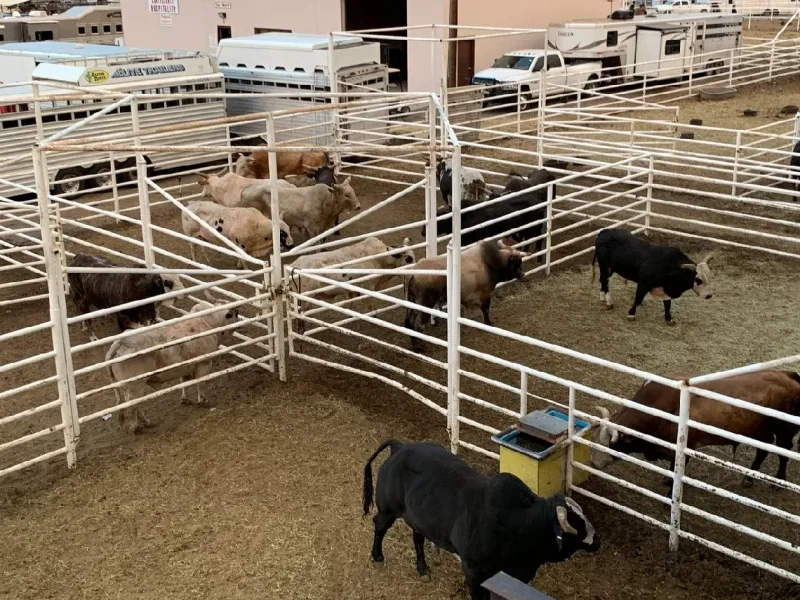
Outdoor livestock holding pens context for odour control systems and biofilters
02

Odour control systems & biofilters

Multi-stage air treatment solutions for capturing and treating odourous process air within animal by-product processing facilities.
Industrial equipment for animal by-product shredding
03

Animal by-product shredding

Integrated size reduction solutions for preparing animal by-product streams for consistent downstream processing.

Other applications​