Sterilization and thermal treatment are critical steps in many animal by-product processing projects. They help reduce biological risk, prepare materials for further use, and support compliance with project-specific, EU, and local regulatory requirements. WALDT helps define the right thermal process as part of a complete industrial solution — from early assessment to integrated implementation.
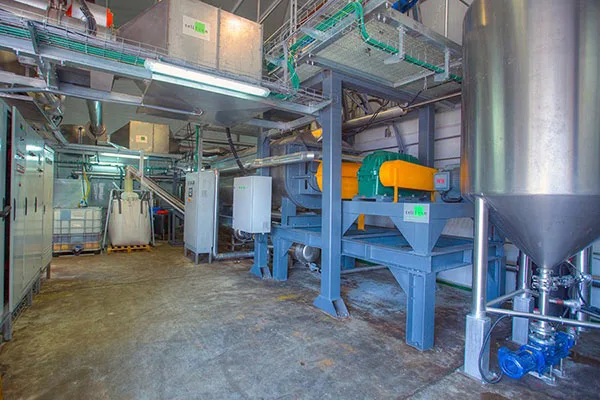
Animal by-product sterilization is the controlled heat treatment of by-product streams to reduce biological risk and prepare the material for further processing or use. Depending on the material and the project goal, this may be part of rendering, pre-treatment, or a dedicated thermal treatment step.
The right approach depends on raw material type, composition, particle size, target output, site conditions, and applicable local requirements. In some projects, sterilization may be connected to shredding, direct steam treatment, cooking, separation, drying, or downstream handling.
Animal by-products can be difficult to manage safely without the right thermal process. Inconsistent material preparation, insufficient heat transfer, or suboptimal integration can compromise process stability, output quality, and operational risk.
A well-designed sterilization or thermal treatment step supports safer handling, more predictable processing, and better integration with the wider plant — including rendering, odour treatment, effluent processing, and final output handling.
We start by understanding the material, the process objective, and the regulatory context.
A Technology Study can define the technical basis for the sterilization or thermal treatment route.
WALDT helps define how sterilization connects with the wider processing system.
We support the project from concept toward reliable industrial operation.