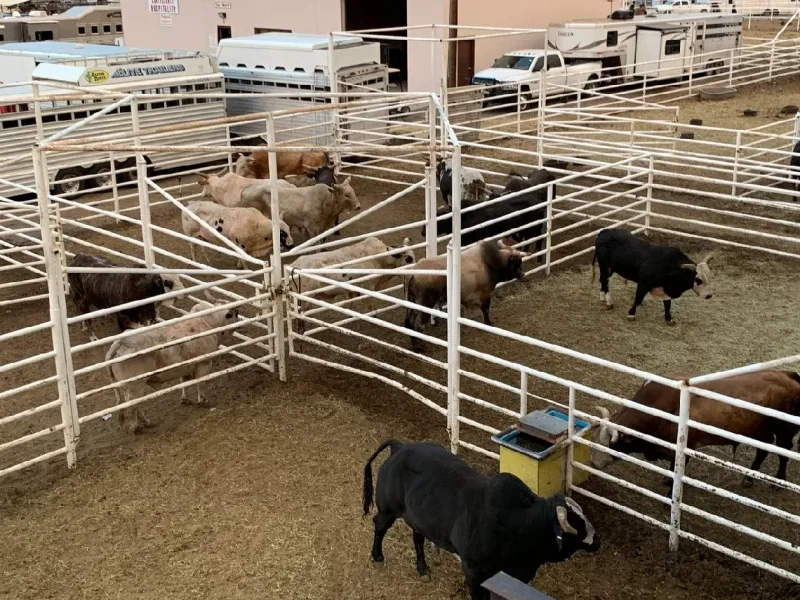
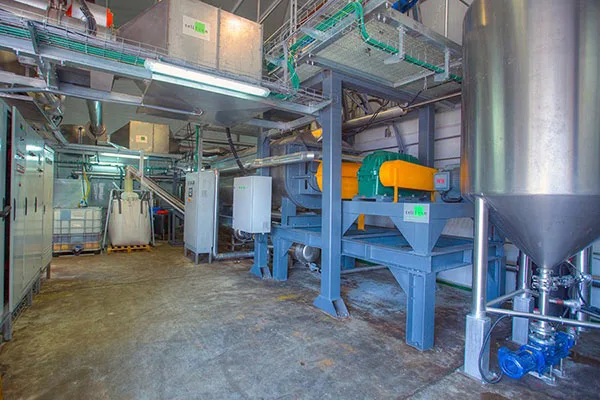
Milling and homogenization support the preparation of animal by-product streams before thermal treatment, rendering, separation, or further processing. The goal is to create a more consistent material flow that can be handled, heated, and processed more reliably. In animal by-product projects, the right preparation concept depends on raw material type, particle size, moisture content, fat content, variability, and the requirements of the downstream process.
Milling and homogenization refer to the mechanical preparation of animal by-products to reduce size differences and create a more uniform material stream. In practice, this may be connected to size reduction, shredding, mixing, pumping, sterilization, rendering, or separation. It is not an isolated process step: it must be designed around the full processing line and the expected output quality.
Uneven material streams can make processing harder to control. Large particles, mixed textures, or inconsistent moisture and fat distribution may compromise heat transfer, process stability, energy consumption, separation, yield, and final product quality. A well-designed material preparation concept supports more predictable thermal treatment, better integration with downstream systems, and more stable industrial operation.
We start by understanding the raw material stream and the downstream process requirements.
A Technology Study can define the technical basis for milling and homogenization within the full processing concept.
WALDT helps connect material preparation with the wider animal by-product processing system.
We support the project from process concept to reliable industrial operation.