Animal by-product collection and transportation

Home / By-product rendering processes / Animal by-product collection and transportation

Designing safe and reliable material flow
before processing

Efficient collection and transportation are critical first steps in animal by-product processing and slaughterhouse rendering projects. The way raw materials are collected, stored, loaded, transported, and received can directly affect hygiene, process stability, odour risk, operating costs, and the performance of the processing facility.

WALDT helps organisations define the right collection and transportation concept as part of a complete industrial solution — not as an isolated logistics decision. Collection systems must be designed around the raw material stream, source locations, transport distances, sanitary requirements, site constraints, and the downstream rendering or sterilisation process.

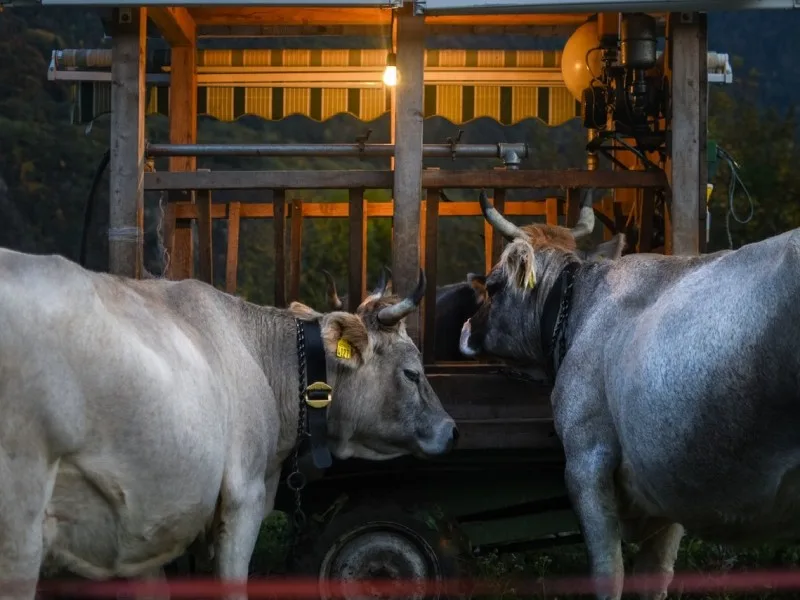
Cattle in an agricultural facility

What is animal by-product collection and transportation?

Animal by-product collection and transportation covers the controlled movement of raw material from the source location to the processing facility. These source locations may include slaughterhouses, meat processing facilities, food industry manufacturers, rendering plants, agricultural operations, or other sites handling animal-origin by-product streams.

The process may involve collection point design, temporary storage, transport container selection, vehicle loading and unloading concepts, traceability, hygiene procedures, odour risk mitigation, and the safe transfer of material into the reception area of the plant.

The right approach depends on the type, volume, variability, and handling characteristics of the material. Fresh slaughterhouse by-products, feathers, bones, soft tissues, fallen stock, blood, or mixed material streams may require different collection, storage, and transportation strategies.

Why collection and transportation matter

Poorly designed collection logistics can create problems before the raw material even reaches the processing line. Delays, inconsistent supply, contamination risk, unsuitable containers, odour issues, or inefficient routing can affect plant performance, operating costs, and hygiene control.

A well-defined collection and transportation concept can support stable raw material availability, safer handling, reduced operational risk, better planning of plant capacity, and smoother integration between source locations and the processing facility. It also helps ensure that the reception area, buffer storage, feeding systems, and downstream rendering process are designed around realistic material flow conditions.

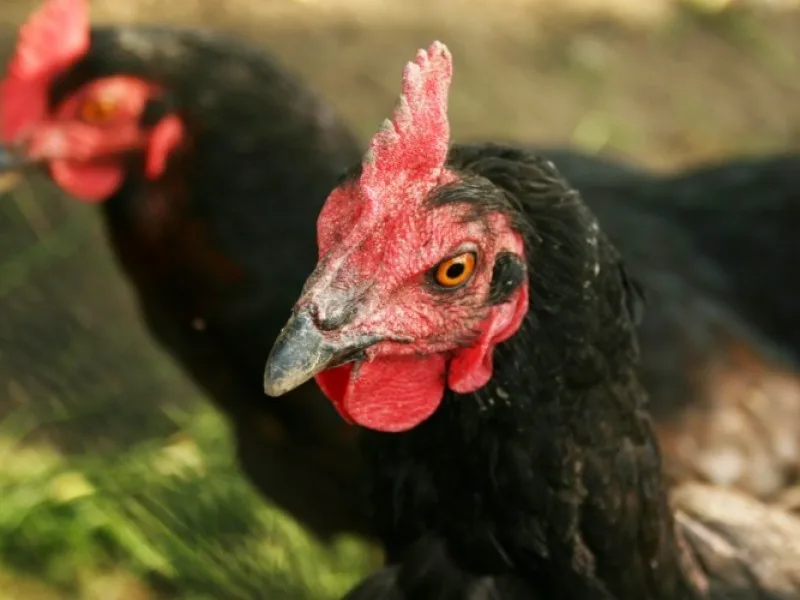
Poultry farming context for animal by-product collection and transportation

How WALDT can help

WALDT is a specialized engineering and technology partner for animal by-product processing projects.
01

Assessment

We start by understanding the material stream, source network, and processing objective.

  • Raw material type, volume, and variability
  • Source locations and collection frequency
  • Material freshness and handling requirements
  • Transport distances and route structure
  • Collection point and loading conditions
  • Site access, unloading, and reception constraints
  • Local sanitary, hygiene, and environmental requirements
02

Technology Study

A Technology Study can define the technical basis for the collection and transportation concept.

  • Raw material and source network assessment
  • Collection volume and frequency assumptions
  • Logistics and route planning principles
  • Container and transport concept evaluation
  • Loading and unloading requirements
  • Reception area interface requirements
  • Key assumptions for hygiene, odour control, and operating costs
03

Integrated process design

WALDT helps define how collection and transportation connect with the wider processing system.

  • Collection point and transport container concepts
  • Loading, unloading, and reception logic
  • Buffer storage and material flow planning
  • Integration with raw material reception systems
  • Odour and contamination risk mitigation
  • Traceability and operational control concepts
  • Interface with rendering, sterilisation, or further treatment processes
04

Implementation support

We support the project beyond the concept phase.

  • Engineering support during project development
  • Supplier and equipment scope definition
  • Site layout and traffic flow coordination
  • Installation supervision
  • Commissioning and start-up support
  • Operator training
  • Operational support and process optimisation

Related applications

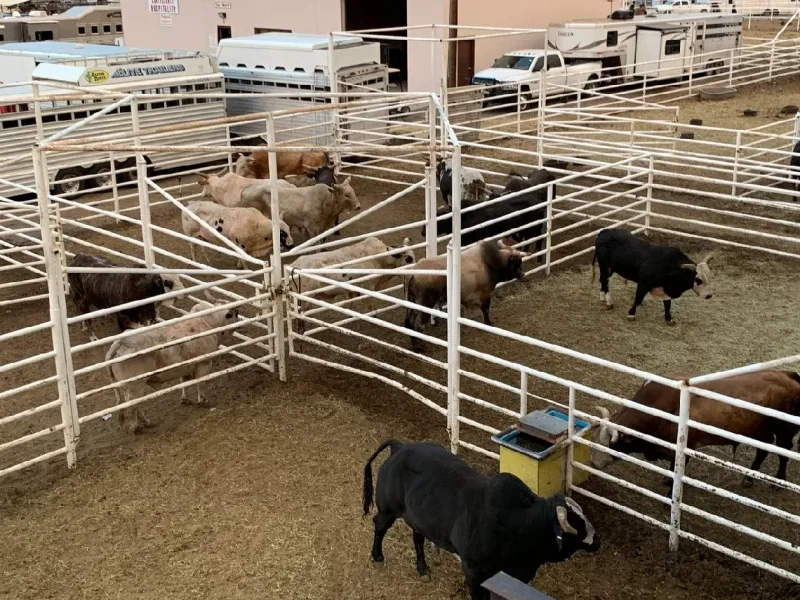
Livestock holding pens for slaughterhouse operations

Slaughterhouses

Integrated processing concepts for managing slaughterhouse by-products such as offal, bones, blood, fat, and mixed material streams.
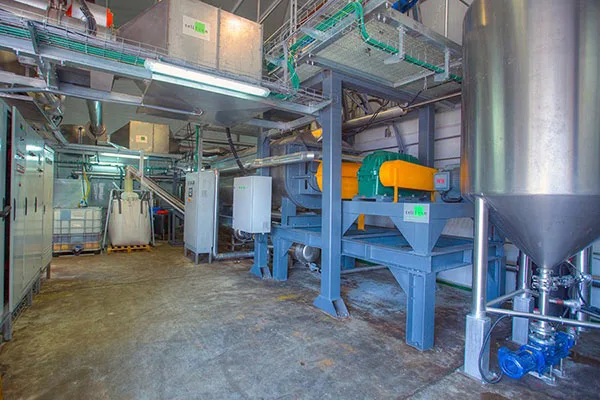
External rendering plant infrastructure with silo and process equipment

Rendering plants

Engineering and process solutions for independent rendering facilities, including new plants, capacity expansion, and modernisation.
Poultry farming context for hatcheries

Hatcheries

Integrated treatment concepts for hatchery by-products such as unhatched eggs, eggshells, and biological material streams.

Other processes