Fat handling

Managing animal fat streams within the full
rendering process

Animal fats are high-value outputs in animal by-product rendering, but their quality and handling depend on the full process design. Raw material, thermal treatment, separation, storage, and logistics all influence the final result. We help companies define how fat streams should be managed as part of an integrated animal by-product processing solution.

Pig farming context for fat handling in by-product processing

What is fat handling?

Fat handling covers the process steps required to separate, collect, transfer, store, and prepare animal fat streams for further use or sale. In rendering projects, fat quality and stability are not determined by one isolated step. It depends on raw material characteristics, process conditions, heat treatment, separation logic, and how the fat stream is handled after processing.

Why fat handling matters

Poorly planned fat handling can compromise product quality, process stability, odour management, storage conditions, and the commercial value of the final product. This is especially important where fat streams are intended for feed producers, biodiesel applications, biogas production, or other energy recovery routes.

Liquid animal fat sample for fat handling processes

How WALDT can help

WALDT is a specialized engineering and technology partner for animal by-product processing projects.
01

Assessment

We start by understanding the raw material stream and the expected fat output.

  • Raw material type, volume, and variability
  • Expected fat content and quality targets
  • Target use or market expectations
  • Site conditions, logistics, and storage needs
  • Utilities, environmental requirements, and operating limits
02

Technology Study

A Technology Study can define the technical basis for fat handling within the rendering process.

  • Raw material and target output assessment
  • Fat quality and specification requirements
  • Mass balance calculations
  • Process concept development
  • Yield, energy consumption, and product quality assumptions
  • Site, layout, and utility requirements
  • Total cost of ownership considerations
03

Integrated process design

WALDT helps connect fat handling with the wider animal by-product processing system.

  • Thermal processing route selection
  • Purification, separation and fat stream handling concept
  • Storage and transfer logic
  • Utilities, automation, and process control
  • Odour treatment and environmental systems
  • Output handling and logistics requirements
04

Implementation support

We support the project from process concept to reliable industrial operation.

  • Engineering support during project development
  • System integration planning
  • Installation supervision
  • Commissioning and start-up support
  • Operator training
  • Performance validation
  • Long-term technical assistance

Related applications

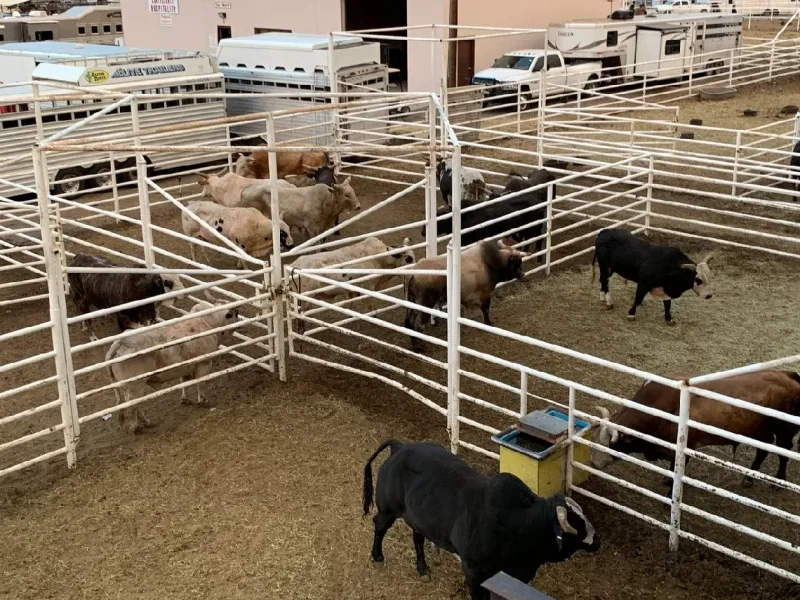
Livestock holding pens for slaughterhouse operations

Slaughterhouses

Integrated processing concepts for managing slaughterhouse by-products such as offal, bones, blood, fat, and mixed material streams.
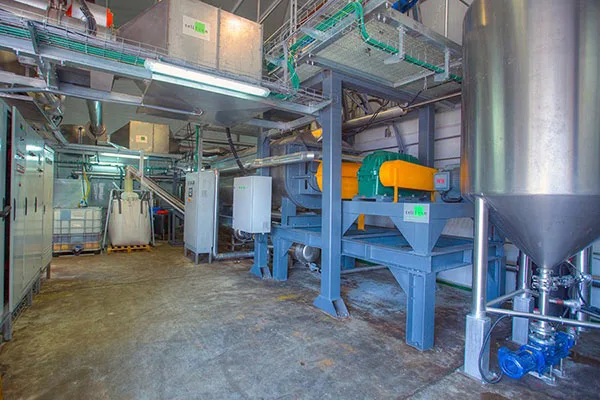
Industrial pre-treatment equipment for biogas plants

Biogas plants

Pre-treatment solutions for animal by-products and fat-rich streams intended for biogas or energy recovery.
Operator using a bin lifting system for waste management operators

Public and private waste management operators

Processing concepts for companies handling regulated animal by-product categories within collection and treatment systems.

Other processes