Bone and Soft Tissue Processing

Home / By-product rendering processes / Bone and Soft Tissue Processing

Managing bones, soft tissues, and mixed animal
by-product streams

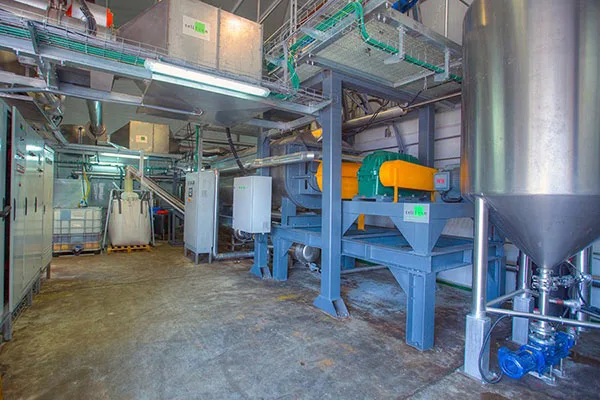
Bones, soft tissues, offal, and mixed slaughterhouse by-products require a processing concept designed around difficult raw materials, variable composition, and demanding operating conditions. Material size, density, moisture content, and handling characteristics all influence the right treatment route. WALDT helps companies define integrated processing solutions for bone and soft tissue streams within the wider animal by-product rendering process.

Poultry farming context for bone and soft tissue processing

What is bone and soft tissue processing?

Bone and soft tissue processing covers the preparation, size reduction, thermal treatment, sterilization, and handling of hard and soft animal by-product streams generated in slaughterhouses and meat processing operations.

Depending on the material stream and target output, the process may include heavy-duty shredding, wet or dry rendering, sterilization, fat separation, and downstream handling. The right process route depends on raw material characteristics, required throughput, regulatory requirements, and output specifications.

Why bone and soft tissue processing matters

Bones and dense soft tissue streams can place high mechanical and thermal demands on the processing system. Poorly designed preparation or treatment can compromise throughput, yield, energy consumption, process stability, equipment wear, and output quality.

A well-designed processing concept helps companies manage difficult animal by-product streams more reliably while supporting stable industrial operation and usable output generation.

Livestock grazing context for bone and soft tissue processing

How WALDT can help

WALDT is a specialized engineering and technology partner for animal by-product processing projects.
01

Assessment

We start by understanding the raw material stream and the intended processing objective.

  • Bone, soft tissue, or mixed by-product composition
  • Material volume and variability
  • Whole carcass or heavy-material handling requirements
  • Shredding and thermal treatment needs
  • Target outputs and downstream use
  • Site conditions, logistics, and operating constraints
02

Technology Study

A Technology Study can define the technical basis for bone and soft tissue processing within the rendering concept.

  • Raw material and target output assessment
  • Heavy-duty processing route evaluation
  • Mass balance calculations
  • Process concept development
  • Yield, energy consumption, and product quality assumptions
  • Site, layout, and utility requirements
  • Total cost of ownership considerations
03

Integrated process design

WALDT helps connect bone and soft tissue processing with the wider animal by-product processing system.

  • Raw material intake and preparation
  • Heavy-duty shredding integration
  • Wet or dry rendering route selection
  • Sterilization and thermal treatment requirements
  • Fat handling and output management
  • Utilities, automation, and process control
  • Odour treatment and environmental systems
04

Implementation support

We support the project from process concept to reliable industrial operation.

  • Engineering support during project development
  • System integration planning
  • Installation supervision
  • Commissioning and start-up support
  • Operator training
  • Performance validation
  • Long-term technical assistance

Related applications

Poultry farming context for hatcheries

Hatcheries

Integrated treatment concepts for hatchery by-products such as unhatched eggs, eggshells, and biological material streams.
Cattle grazing in a pasture on animal farms

Animal farms

On-site processing concepts for fallen stock and daily mortalities, including controlled treatment and output handling.
Livestock context for food industry manufacturers

Food industry manufacturers

Processing solutions for food industry companies handling animal-origin by-product streams within their production operations.

Other processes