Animal by-product shredding

Home / By-product rendering processes / Animal by-product shredding

Preparing complex by-product streams for
reliable processing

Size reduction is an important preparation step in many Animal by-product (ABP) and slaughterhouse rendering lines. It helps create a more consistent material stream before thermal processing, rendering, sterilization, or further treatment. WALDT helps organizations define the right pre-processing approach as part of a complete industrial solution — not as an isolated equipment decision. Rendering technologies must respect local legislative requirements such as Regulation (EC) No 1069/2009 of the European Parliament.

Industrial equipment for animal by-product shredding

What is animal by-product shredding?

Animal by-product shredding means reducing larger or irregular by-product materials into a more manageable form before the next processing step. This may be required before cooking, rendering, sterilization, pumping, conveying, or further separation.

The right approach depends on the raw material, its composition, the target output, and the downstream process. Poultry, pork, beef, feathers, bones, soft tissues, fallen stock, or mixed slaughterhouse by-products may require different handling and preparation strategies.

Why shredding matters

Inconsistent particle size can make the overall process harder to control. It may compromise heat transfer, processing time, material handling, downstream equipment performance, and the quality of the final output.

A well-defined size reduction step can support more stable operation, better process control, and improved integration between raw material intake, thermal treatment, separation, odour treatment, and output handling.

Livestock context for animal by-product shredding applications

How WALDT can help

WALDT is a specialized engineering and technology partner for animal by-product processing projects.
01

Assessment

We start by understanding the material stream and the business objective.

  • Raw material type, volume, and variability
  • Composition and handling characteristics
  • Target end-products and quality expectations
  • Site conditions, logistics, and utilities
  • Local regulatory and environmental requirements
02

Technology Study

A Technology Study can define the technical basis for the size reduction and rendering process.

  • Raw material assessment
  • Mass balance calculations
  • Process concept development
  • Site and layout constraints
  • Preliminary plant configuration
  • Key assumptions for yield, energy consumption, and operating conditions
03

Integrated process design

WALDT helps define how size reduction connects with the wider processing line.

  • Raw material intake and handling
  • Pre-processing and size reduction logic
  • Wet or dry rendering process integration
  • Utilities, automation, and control concept
  • Odour treatment and environmental systems
  • Output handling and downstream process requirements
04

Implementation support

We support the project beyond the concept phase.

  • Engineering support during project development
  • Installation supervision
  • Commissioning and start-up support
  • Operator training
  • Performance validation
  • Spare parts, maintenance, and technical support

Related applications

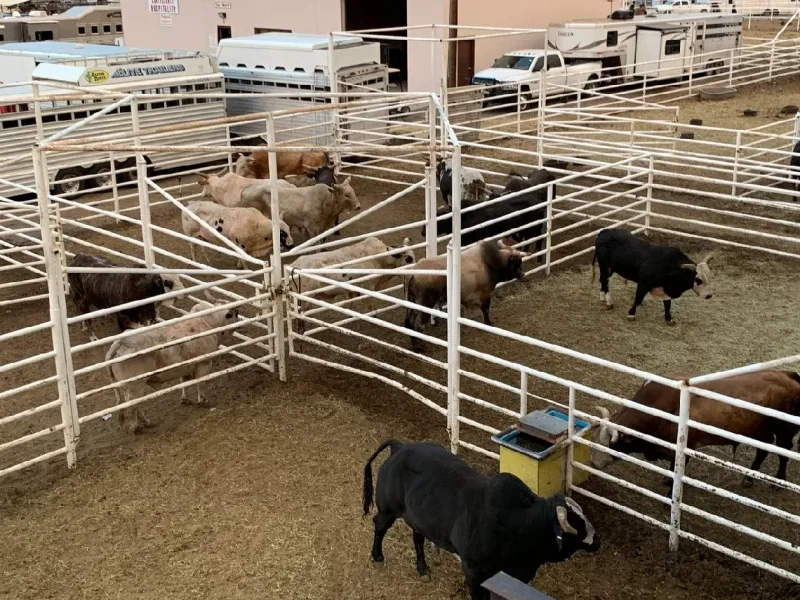
Livestock holding pens for slaughterhouse operations

Slaughterhouses

Integrated processing concepts for managing slaughterhouse by-products such as offal, bones, blood, fat, and mixed material streams.
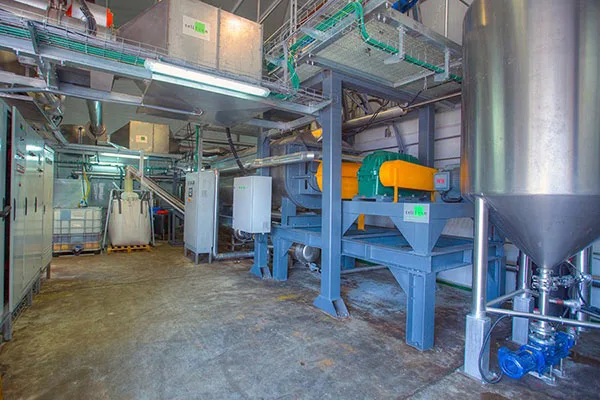
External rendering plant infrastructure with silo and process equipment

Rendering plants

Engineering and process solutions for independent rendering facilities, including new plants, capacity expansion, and modernisation.
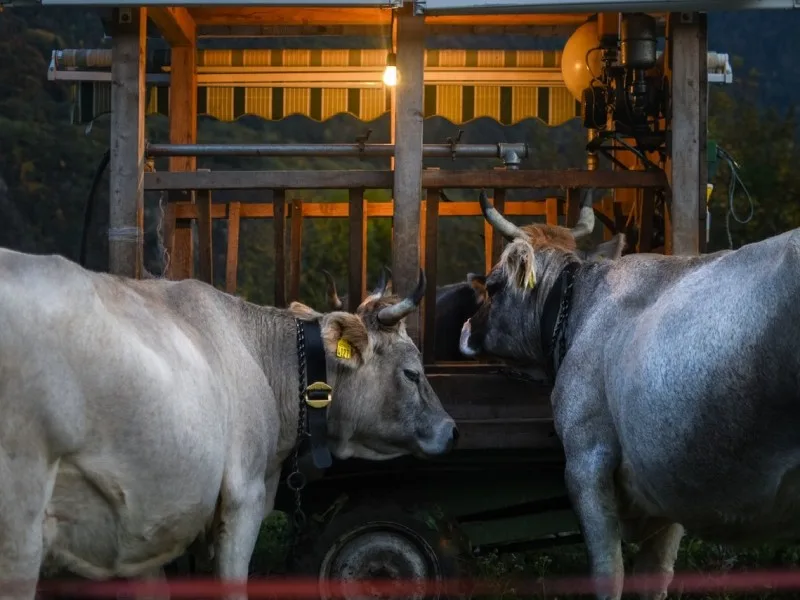
Cattle grazing in a pasture on animal farms

Animal farms

On-site processing concepts for fallen stock and daily mortalities, including controlled treatment and output handling.

Other processes