Odour control systems & biofilters

Home / By-product rendering processes / Odour control systems & biofilters

Air treatment for animal by-product
processing facilities

Odour control is a critical part of animal by-product and slaughterhouse by-product processing. Rendering, thermal treatment, drying, fat handling, and effluent-related process steps can generate air streams that require dedicated treatment. WALDT helps organizations integrate odour control into the full processing concept from the beginning of the project.

Livestock feeding area context for odour control systems and biofilters

What are odour control systems?

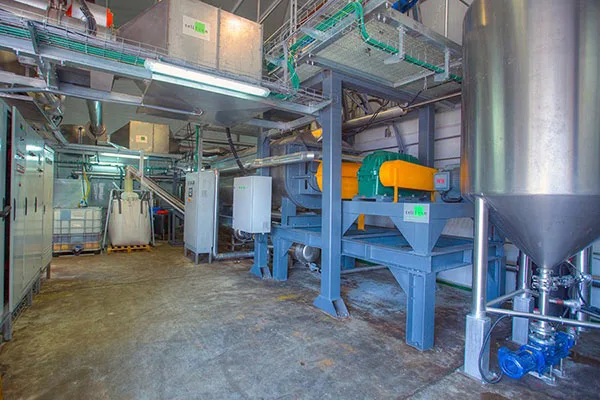
Odour control systems treat process air generated during animal by-product processing. They are designed to reduce odours and process-related emissions before treated air is released into the environment. A multi-stage treatment concept (including biofilters) may target SOx, NOx, VOCs, and other odour-generating compounds, depending on the process and local requirements.

Why odour control matters

Poor odour management can create operational, environmental, regulatory, and social risks for processing facilities. It can also affect where and how a plant can operate. A well-designed odour control system supports stable plant operation, better environmental performance, and smoother integration with local site requirements.

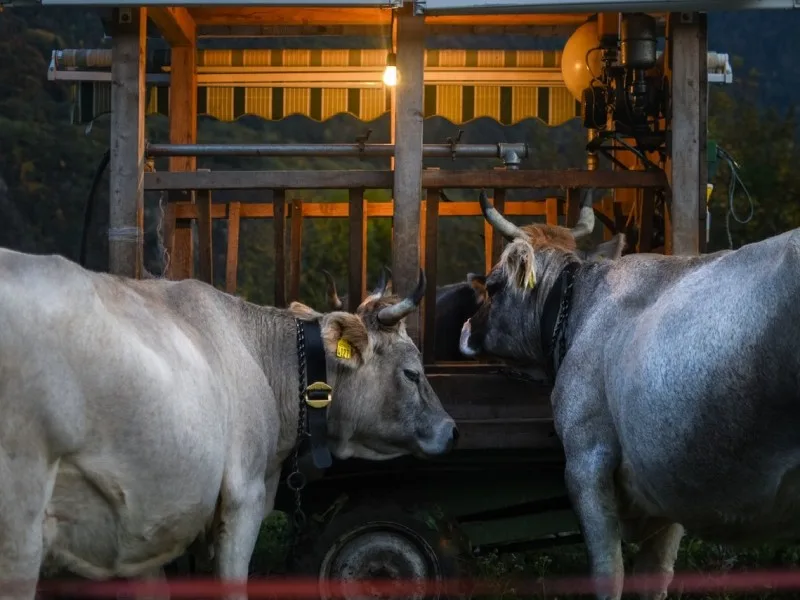
Outdoor livestock holding pens context for odour control systems and biofilters

How WALDT can help

WALDT is a specialized engineering and technology partner for animal by-product processing projects.
01

Assessment

We start by understanding the process, air streams, and site-specific requirements.

  • Processing technology and raw material stream
  • Main odour-generating process steps
  • Air volumes and expected emission sources
  • Site location and surrounding environment
  • Local environmental and regulatory expectations
02

Technology Study

A Technology Study can define the technical basis for odour control within the wider plant concept.

  • Process and air stream assessment
  • Odour source identification
  • Preliminary air treatment concept
  • Site and layout constraints
  • Utilities and integration requirements
  • Environmental assumptions and total cost of ownership (TCO) considerations
03

Integrated process design

WALDT helps connect odour control with the complete animal by-product processing line.

  • Capture points and air collection logic
  • Multi-stage air treatment concept
  • Integration with rendering, drying, sterilization, and effluent-related steps
  • Utilities, automation, and control requirements
  • Environmental system integration
  • Space, access, and maintenance planning
04

Implementation support

We support the project from concept to reliable operation.

  • Engineering support during project development
  • System integration planning
  • Installation supervision
  • Commissioning and start-up support
  • Operator training
  • Performance validation
  • Long-term technical assistance

Related applications

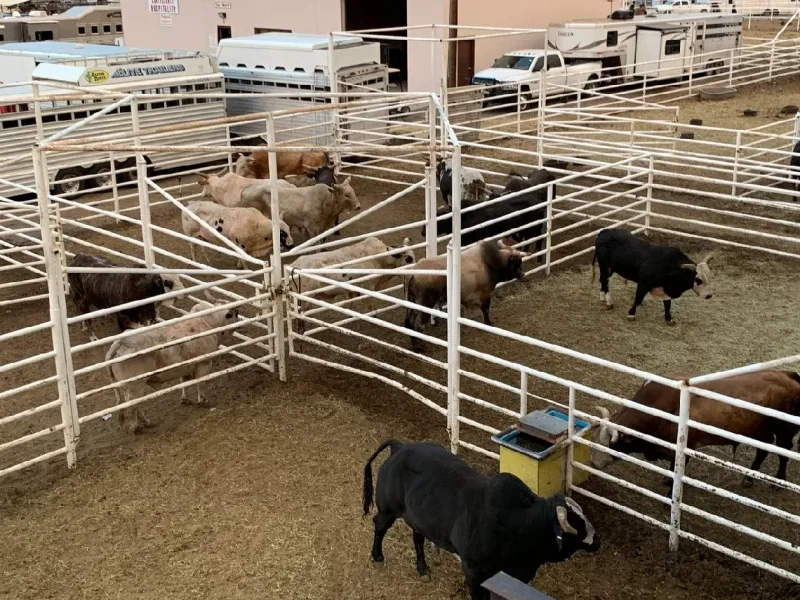
Livestock holding pens for slaughterhouse operations

Slaughterhouses

Integrated processing concepts for managing slaughterhouse by-products such as offal, bones, blood, fat, and mixed material streams.
Cattle grazing in a pasture on animal farms

Animal farms

On-site processing concepts for fallen stock and daily mortalities, including controlled treatment and output handling.
Poultry farming context for hatcheries

Hatcheries

Integrated treatment concepts for hatchery by-products such as unhatched eggs, eggshells, and biological material streams.

Other processes