Raw Material Reception

Home / By-product rendering processes / Raw Material Reception

Creating a controlled material intake process for
reliable rendering operations

Raw material reception is one of the most critical hygienic and operational zones in an animal by-product processing or slaughterhouse rendering facility. It is the point where incoming material enters the plant and where hygiene, odour control, segregation, buffer storage, and feeding stability must be managed from the start.

WALDT helps organisations define the right raw material reception concept as part of a complete industrial solution — not as an isolated unloading or storage area. The reception process must be designed around the raw material stream, collection logistics, site layout, downstream process requirements, operator safety, and applicable sanitary and environmental requirements.

Industrial equipment and piping in a raw material reception area

What is raw material reception?

Raw material reception is the controlled intake of animal by-products into the processing facility. It includes unloading, receiving hoppers, buffer storage, material segregation, hygienic handling, and feeding the material into the next processing step.

The reception concept must be designed around the incoming material type, delivery pattern, site layout, hygiene requirements, and downstream rendering or sterilisation process.

Why raw material reception matters

The reception area has a direct impact on hygiene, odour control, process stability, and plant availability. If unloading, storage, or feeding is poorly designed, problems can quickly affect the entire processing line.

A well-planned reception process supports safer handling, cleaner operation, stable feeding, and smoother integration between collection logistics and downstream processing equipment.

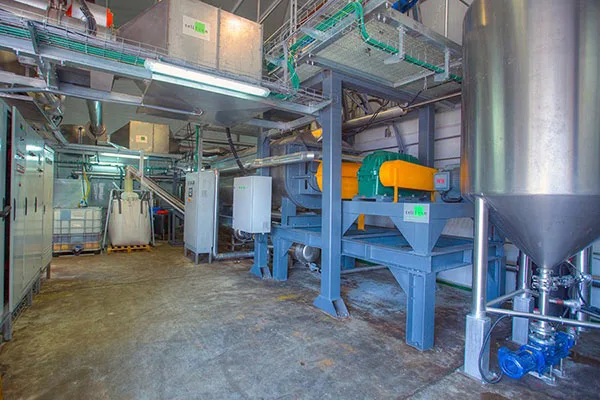
Raw material reception equipment with platforms and process piping

How WALDT can help

WALDT is a specialized engineering and technology partner for animal by-product processing projects.
01

Assessment

We start by understanding the incoming material stream and the operating environment.

  • Raw material type, volume, and variability
  • Collection frequency and delivery patterns
  • Material freshness and handling characteristics
  • Vehicle unloading requirements
  • Segregation needs for different material streams
  • Site layout, access, and traffic flow
  • Hygiene, odour, and environmental requirements
  • Downstream process and feeding requirements
02

Technology Study

A Technology Study can define the technical basis for the raw material reception concept.

  • Raw material and delivery pattern assessment
  • Reception capacity assumptions
  • Unloading and receiving hopper concept
  • Buffer storage requirements
  • Material flow and feeding concept
  • Site and layout constraints
  • Cleanability and hygiene considerations
  • Key assumptions for odour control, automation, and operating conditions
03

Integrated process design

WALDT helps define how raw material reception connects with the wider processing line.

  • Vehicle unloading and reception layout
  • Receiving hoppers and buffer storage
  • Material segregation and hygienic handling
  • Automated feeding systems
  • Integration with shredding, sterilisation, cooking, or rendering equipment
  • Odour and contamination risk mitigation
  • Operator safety and maintenance access
  • Utilities, automation, and control concept
04

Implementation support

We support the project beyond the concept phase.

  • Engineering support during project development
  • Equipment scope definition
  • Supplier coordination
  • Site layout and installation planning
  • Installation supervision
  • Commissioning and start-up support
  • Operator training
  • Operational support and process optimisation

Related applications

External rendering plant infrastructure with silo and process equipment

Rendering plants

Engineering and process solutions for independent rendering facilities, including new plants, capacity expansion, and modernisation.
Cattle grazing in a pasture on animal farms

Animal farms

On-site processing concepts for fallen stock and daily mortalities, including controlled treatment and output handling.
Poultry farming context for hatcheries

Hatcheries

Integrated treatment concepts for hatchery by-products such as unhatched eggs, eggshells, and biological material streams.

Other processes