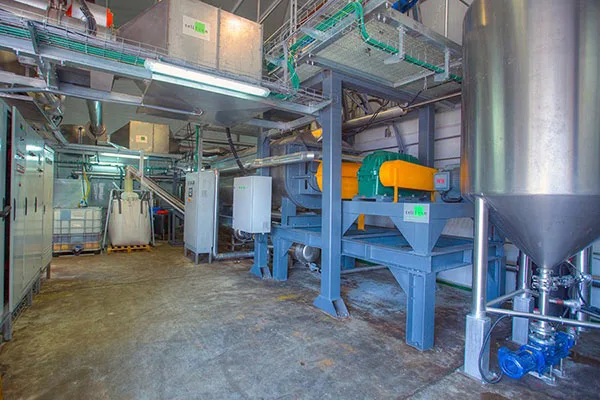
Animal by-product processing can generate liquid process streams that require dedicated handling, treatment, or concentration. These streams must be considered as part of the full plant concept, not as an afterthought. WALDT helps companies define how effluent should be managed within an integrated rendering or slaughterhouse by-product processing solution.
Effluent processing refers to the handling, treatment, or concentration of liquid streams generated during animal by-product processing. These streams may come from thermal processing, separation, washing, condensation, or other process-related steps.
Depending on the project, effluent may be treated, concentrated through vacuum evaporation, or further processed into a usable output stream. The right route depends on raw material, process design, local requirements, and target commercial use.
Poorly managed effluent can affect plant operation, environmental performance, odour control, utilities, and total cost of ownership (TCO). It can also limit how efficiently a facility can operate over time. A well-designed effluent processing concept supports cleaner process integration, better resource use, and more predictable long-term operation.
We start by understanding the liquid streams generated by the process.
A Technology Study can define the technical basis for effluent handling and concentration.
WALDT helps connect effluent processing with the wider rendering plant concept.
We support the project from concept to reliable industrial operation.