Slaughterhouses

Turning slaughterhouse by-products into
manageable, valuable outputs

Slaughterhouses generate animal by-product streams that can become difficult and costly to manage without the right processing concept. Offal, feathers, bones, blood, fat, and other by-products require a system designed around the actual material flow of the facility. WALDT develops integrated solutions that help slaughterhouses create value from these streams while improving process control, handling, and long-term operational reliability.

Livestock holding pens for slaughterhouse operations

Processing concepts built around the slaughterhouse

Every slaughterhouse has a different material profile. Species, daily volume, production rhythm, by-product composition, available space, utilities, logistics, and target outputs all influence the right technical direction. A reliable solution starts with understanding these conditions before defining the process route, required systems, layout, utilities, odour control, effluent handling, and implementation scope.

From disposal cost to industrial value creation

For many slaughterhouses, animal by-products represent a cost, a logistics challenge, or an underused material stream. With the right processing concept, these materials can support the production of high-value products such as protein meals, fats, liquid digest, feed-related ingredients, or substrates for further use.

The goal is not to add isolated equipment, but to create a practical processing solution that fits the slaughterhouse’s business model, material stream, and long-term operating requirements.

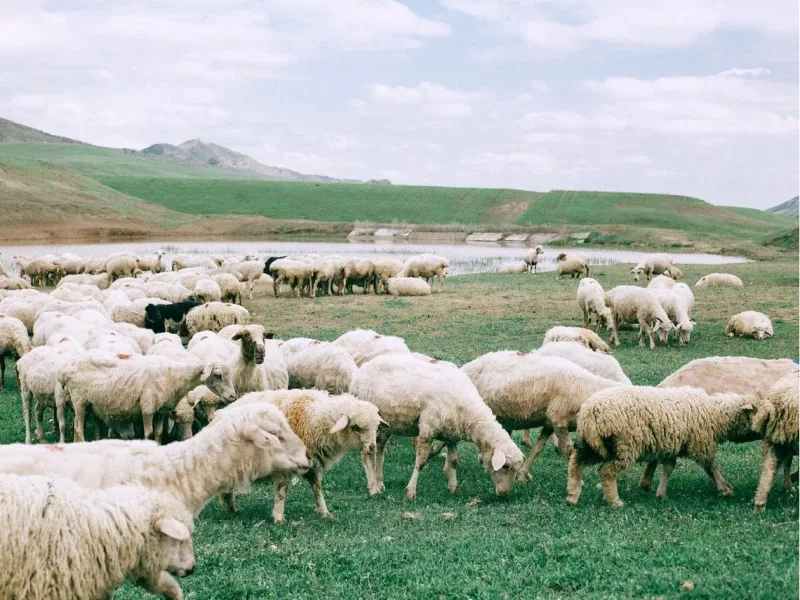
Sheep farming context for slaughterhouses

How WALDT can help

WALDT is a specialized engineering and technology partner for animal by-product processing projects.
01

Assessment

The first step is to understand the slaughterhouse’s real material stream and project objectives.

  • Type and volume of by-products
  • Daily and seasonal variability
  • Material composition and handling conditions
  • Target outputs and market expectations
  • Site conditions, logistics, and available utilities
  • Local regulatory and environmental requirements
02

Technology Study

A Technology Study provides a structured technical basis before major investment decisions are made.

  • Raw material assessment
  • Target output evaluation
  • Mass balance calculations
  • Process concept development
  • Site and layout constraints
  • Utility requirements
  • Preliminary plant configuration
  • Total cost of ownership (TCO) assumptions
03

Integrated solution design

The processing concept is developed as a complete system, not as a set of isolated machines.

  • Raw material intake and preparation
  • Particle size reduction / pre-processing
  • Wet or dry rendering route selection
  • Sterilization or thermal treatment requirements
  • Fat, blood, odour, and effluent handling
  • Automation, utilities, and supporting systems
  • Layout and integration planning
04

Implementation and support

WALDT supports the project beyond planning and design.

  • Engineering support during project development
  • Installation supervision
  • Commissioning and start-up support
  • Operator training
  • Performance validation
  • Spare parts and maintenance support
  • Long-term technical assistance

Related processes

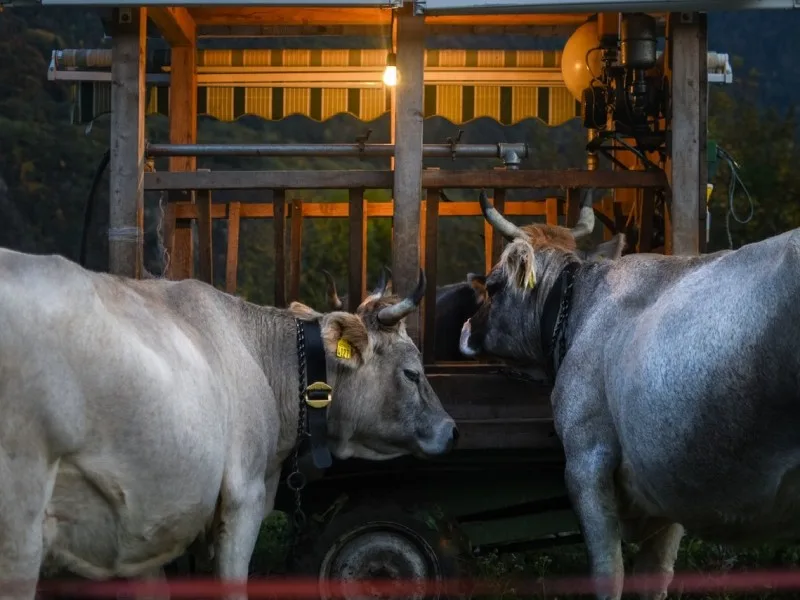
Cattle in a livestock feeding area for animal by-product sterilization and thermal treatment context
01

Animal by-product sterilization & thermal treatment

Sterilization and thermal processing solutions designed around the material stream, regulatory context, and full processing line.
Industrial equipment for animal by-product shredding
02

Animal by-product shredding

Integrated size reduction solutions for preparing animal by-product streams for consistent downstream processing.
Cattle in an agricultural facility
03

Animal by-product collection and transportation

Safe and efficient material flow from source locations to the processing facility, designed around hygiene, logistics, and operational continuity.

Other applications